Monday, July 15, 2024

A Path to Freedom and Flexibility

Financial Independence and Early Retirement (FIRE): A Path to Freedom and Flexibilit

In a world where the traditional notion of retirement is being redefined, the FIRE (Financial Independence, Retire Early) movement has emerged as a beacon of financial freedom and flexibility.


This guide explores the principles of FIRE, introduces the steps to achieve financial independence, and outlines the journey towards early retirement.

Understanding the FIRE Movement

The FIRE movement is rooted in the idea of achieving financial independence through diligent saving, mindful spending, and strategic investing, with the ultimate goal of retiring early and pursuing one's passions. At its core, FIRE challenges the conventional wisdom of working until traditional retirement age and instead advocates for building wealth to retire on one's own terms.

Principles of FIRE

Central to the FIRE philosophy are principles such as frugality, intentional living, and investing for the future. Practitioners of FIRE aim to maximize savings rates by reducing expenses, embracing minimalist lifestyles, and prioritizing experiences over material possessions. They also focus on generating passive
 income streams through investments in stocks, real estate, and other assets to sustain their desired lifestyle in retirement.

Steps to Achieve Financial Independence and Early Retirement


Achieving FIRE requires a strategic approach and disciplined execution. The first step is to assess your current financial situation, including income, expenses, assets, and liabilities. Next, set clear financial goals and establish a savings rate that aligns with your desired timeline for achieving financial independence. Implement strategies to reduce expenses, increase income, and optimize investment returns to accelerate your progress towards FIRE.

Embracing the Journey

The journey to FIRE is as much about mindset as it is about financial strategy. It requires patience, resilience, and a willingness to challenge societal norms. Along the way, celebrate small victories, stay focused on your long-term goals, and remain adaptable to changes in your financial circumstances. Remember that achieving financial independence is a journey, not a destination, and embrace the freedom and flexibility it affords you along the way.

Conclusion

The FIRE movement offers a compelling alternative to the traditional approach to retirement, empowering individuals to take control of their finances and design a life of purpose and fulfillment. By embracing the principles of FIRE, committing to strategic financial planning, and cultivating a mindset of abundance, you can embark on the path towards financial independence and early retirement with confidence and clarity.

Monday, July 8, 2024

A Guide to Smart Spending

Maximizing Credit Card Rewards: A Guide to Smart Spending

In today's world of financial flexibility, credit cards have become more than just a convenient payment method—they offer an array of rewards and perks that savvy users can take advantage of.


In this comprehensive guide, we'll delve into the realm of credit card rewards, helping you understand how they work, select the right card for your lifestyle, maximize your rewards, and steer clear of common pitfalls.

Understanding Credit Card Rewards

Credit card rewards come in various forms, including cash back, points, miles, and other incentives, offered by card issuers as a way to incentivize spending. These rewards can be earned based on your card usage, such as making purchases, paying bills, or meeting spending thresholds. Understanding the types of rewards available and how they accrue is essential for maximizing their value.

Choosing the Right Card

Selecting the right credit card is crucial for maximizing your rewards potential. Consider factors such as your spending habits, lifestyle preferences, and financial goals when choosing a card. Look for cards that offer rewards in categories where you spend the most, such as groceries, dining, travel, or gas. Additionally, pay attention to the card's annual fees, interest rates, and redemption options to ensure it aligns with your needs.

Maximizing Rewards


Once you've chosen the right credit card, it's time to maximize your rewards earning potential. Take advantage of bonus offers and introductory promotions to boost your rewards right out of the gate. Use your card for everyday purchases and bills whenever possible to earn rewards on essential expenses. Additionally, explore opportunities for additional earning through bonus categories, referral programs, and partner offers.

Avoiding Common Credit Card Pitfalls

While credit card rewards can be lucrative, it's essential to avoid common pitfalls that can undermine their value. Pay your balance in full and on time each month to avoid accruing interest charges that can negate your rewards earnings. Be mindful of overspending to chase rewards and falling into debt traps. Furthermore, monitor your credit utilization ratio and avoid opening too many new accounts, as these actions can negatively impact your credit score.

Conclusion

Credit card rewards can be a valuable tool for earning cash back, points, miles, and other perks on your everyday spending. By understanding how credit card rewards work, choosing the right card for your needs, maximizing your rewards earning potential, and avoiding common pitfalls, you can make the most of your credit card usage while enjoying valuable benefits along the way.

Monday, July 1, 2024

Exploring Side Hustle Options

The Gig Economy: Exploring Side Hustle Options

In today's rapidly evolving job market, many millennials are turning to side hustles as a way to supplement their income, pursue their passions, and gain valuable skills.


The gig economy offers a plethora of opportunities for those willing to explore alternative sources of income. In this guide, we'll delve into the world of side hustles, providing an overview of popular options for millennials such as freelancing, ride-sharing, online tutoring, and more. Additionally, we'll offer tips for success to help individuals make the most of their side hustle ventures.

Understanding the Gig Economy

The gig economy refers to a labour market characterized by short-term, freelance, or temporary work arrangements, often facilitated by digital platforms and technology. It offers individuals the flexibility to work on their own terms, pursue multiple income streams, and adapt to changing economic conditions. Side hustles, which are a common feature of the gig economy, allow individuals to monetize their skills, talents, and resources outside of traditional employment.

Popular Side Hustle Options

Freelancing:

 With the rise of remote work and digital platforms, freelancing has become a popular side hustle option for millennials. From graphic design and writing to web development and consulting, freelancers can offer their services to clients around the world on a project-by-project basis.

Ride-Sharing:

 Platforms like Uber and Lyft have revolutionized transportation by allowing individuals to earn money by providing rides to passengers. Ride-sharing offers flexibility in terms of when and where drivers work, making it an attractive option for those looking to earn extra income on their own schedule.

Online Tutoring: 

With the increasing demand for online education, tutoring has emerged as a lucrative side hustle option. Whether teaching academic subjects, language skills, or specialized courses, online tutors can connect with students globally and earn money from the comfort of their own home.

E-Commerce:

 Setting up an online store or selling products through platforms like Etsy or eBay is another popular side hustle option. From handmade crafts and vintage goods to digital products and dropshipping, e-commerce allows individuals to turn their passions into profit.

Tips for Success

Identify Your Skills and Interests: Choose a side hustle that aligns with your skills, interests, and goals. By focusing on activities you enjoy and excel at, you'll be more motivated to put in the time and effort required for success.

Set Realistic Goals:

 Establish clear and achievable goals for your side hustle, whether it's earning a certain amount of money per month or acquiring new clients. Setting realistic expectations will help you stay motivated and track your progress over time.

Manage Your Time Effectively:

 Balancing a side hustle with other commitments can be challenging, so it's important to manage your time effectively. Create a schedule, prioritize tasks, and set boundaries to ensure that your side hustle doesn't encroach on your personal or professional life.

Invest in Your Skills:

 Continuously invest in your skills and knowledge to stay competitive in your chosen field. Take advantage of online courses, workshops, and networking opportunities to expand your expertise and grow your side hustle.

Conclusion


The gig economy offers millennials a wealth of opportunities to supplement their income, pursue their passions, and gain valuable skills outside of traditional employment. Whether freelancing, ride-sharing, tutoring, or e-commerce, there are numerous side hustle options to explore. By identifying your skills and interests, setting realistic goals, and managing your time effectively, you can turn your side hustle into a successful and fulfilling venture.

Monday, June 24, 2024

Balancing Enjoyment and Savings

Mindful Spending: Balancing Enjoyment and Savings

In today's consumer-driven world, finding the balance between enjoying life's pleasures and saving for the future can be a challenging task.


However, by adopting mindful spending habits, individuals can make conscious choices that align with their values and financial goals. In this guide, we'll explore how to spend money wisely without sacrificing enjoyment, identify spending triggers, and practice mindful consumption to achieve a harmonious balance between living well and saving smart.

Understanding Mindful Spending

Mindful spending is a philosophy that encourages individuals to be intentional and present when making purchasing decisions. It involves considering the true value of purchases, weighing them against personal priorities and financial objectives, and cultivating awareness of the long-term implications of spending choices. By practicing mindful spending, individuals can cultivate a healthier relationship with money, reduce impulse purchases, and make purchases that enhance their overall well-being.

Balancing Enjoyment and Savings

Finding the right balance between enjoying life's pleasures and saving for the future is essential for financial well-being. While it's important to indulge in experiences and items that bring joy and fulfilment, it's equally important to save for emergencies, future goals, and retirement. By establishing clear financial goals and priorities, individuals can allocate their resources in a way that allows them to enjoy life while also building a secure financial foundation for the future
Identifying Spending Triggers


Understanding the factors that influence spending behaviour is key to practicing mindful spending. Common spending triggers include emotional cues such as stress, boredom, or social pressure, as well as environmental factors like advertising and peer influence. By becoming aware of these triggers, individuals can develop strategies to manage them more effectively and make conscious decisions about when and where to spend their money.

Practicing Mindful Consumption

Mindful consumption involves being deliberate and intentional about the things we buy and consume. It includes considering the environmental and social impact of purchases, as well as the personal value they bring to our lives. To practice mindful consumption, individuals can ask themselves questions such as "Do I really need this?" and "Will this purchase align with my values and priorities?" By taking a thoughtful approach to consumption, individuals can reduce waste, save money, and contribute to a more sustainable and fulfilling lifestyle.

Conclusion

In conclusion, mindful spending is a powerful tool for achieving financial well-being and living a more fulfilling life. By balancing enjoyment and savings, identifying spending triggers, and practicing mindful consumption, individuals can make conscious choices that align with their values and financial goals. By incorporating mindfulness into their spending habits, individuals can cultivate a healthier relationship with money and create a more meaningful and purposeful life.

Monday, June 17, 2024

Strategies for Managing Debt Wisely

Navigating the Debt Maze: Strategies for Managing Debt Wisely

Managing debt is a crucial aspect of financial wellness, and implementing effective strategies can help individuals regain control of their finances and work towards a debt-free future.


In this comprehensive guide, we'll explore strategies for managing and reducing debt, prioritizing debt payments, consolidating debt, and avoiding common debt traps. Whether you're grappling with credit card debt, student loans, or other forms of debt, this guide will provide valuable insights to help you navigate the debt maze and achieve financial freedom.

Understanding Debt

Debt is a financial obligation that arises when individuals borrow money or incur expenses they cannot immediately pay off. Common types of debt include credit card debt, student loans, mortgage loans, and personal loans. While debt can be a useful tool for achieving financial goals such as homeownership or higher education, excessive debt can lead to financial stress and hinder long-term financial stability.

Strategies for Managing and Reducing Debt

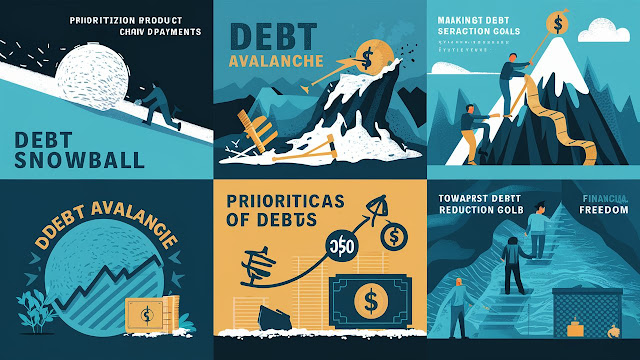
Managing debt begins with understanding your financial situation and developing a plan to tackle outstanding balances. Start by creating a budget to track income and expenses and identify areas where you can reduce discretionary spending to allocate more funds towards debt repayment. Consider implementing the debt avalanche or debt snowball method to prioritize debt payments and pay off high-interest debt first. Additionally, explore opportunities to increase income through side hustles or freelance work to accelerate debt repayment.

Prioritizing Debt Payments


When juggling multiple debts, it's essential to prioritize debt payments based on interest rates and loan terms. Focus on paying off high-interest debt first, such as credit card debt, as it accrues the most interest over time. Make minimum payments on all debts to avoid late fees and penalties, then allocate extra funds towards the debt with the highest interest rate to expedite repayment. Once high-interest debt is paid off, redirect those funds towards the next highest interest rate debt until all debts are paid off.

Consolidating Debt

Debt consolidation involves combining multiple debts into a single loan with a lower interest rate, making it easier to manage and potentially reducing overall interest costs. Options for consolidating debt include balance transfer credit cards, personal loans, and home equity loans or lines of credit. Before pursuing debt consolidation, carefully consider the terms and fees associated with the new loan and ensure that consolidation will result in long-term savings and improved debt management.

Avoiding Common Debt Traps

To avoid falling into common debt traps, practice responsible borrowing habits and exercise caution when using credit. Avoid taking on unnecessary debt for non-essential purchases and be mindful of overspending. Create an emergency fund to cover unexpected expenses and reduce reliance on credit cards or loans for financial emergencies. Additionally, seek financial guidance from reputable sources and avoid predatory lending practices that can trap individuals in cycles of debt.

Conclusion

In conclusion, managing debt wisely is essential for achieving financial stability and long-term success. By implementing effective debt management strategies, prioritizing debt payments, exploring debt consolidation options, and avoiding common debt traps, individuals can take control of their finances and work towards a debt-free future.


Monday, June 10, 2024

Exploring the World of Real Estate Investing

Unlocking Wealth: Exploring the World of Real Estate Investing

Real estate investing offers a pathway to wealth creation and financial independence for savvy investors.

In this comprehensive guide, we'll delve into the diverse world of real estate investing, covering everything from traditional rental properties to innovative investment platforms like Real Estate Investment Trusts (REITs) and crowdfunding. Whether you're a seasoned investor or just starting out, this guide will provide valuable insights and actionable steps to help you navigate the exciting realm of real estate investment.

Overview of Real Estate Investing

Real estate investing involves purchasing, owning, managing, renting, or selling properties for profit. Unlike other investment vehicles, real estate offers tangible assets that can generate ongoing rental income and appreciate in value over time. From residential properties like single-family homes and multi-unit apartment buildings to commercial properties such as office buildings and retail spaces, there are various avenues for investors to explore within the real estate market.

Rental Properties: Generating Passive Income

One of the most common forms of real estate investment is rental properties. By purchasing residential or commercial properties and renting them out to tenants, investors can generate passive income streams while building equity in their properties. Rental properties offer the potential for steady cash flow, tax advantages, and long-term appreciation, making them a popular choice among real estate investors seeking income and wealth growth.

Real Estate Investment Trusts (REITs) and Crowdfunding Platforms


For investors looking to diversify their real estate portfolios without directly owning properties, REITs and crowdfunding platforms offer alternative investment options. REITs are companies that own, operate, or finance income-producing real estate across various sectors, allowing investors to invest in real estate through publicly traded stocks or mutual funds. Crowdfunding platforms, on the other hand, enable investors to pool their funds with others to invest in specific real estate projects, offering opportunities for passive income and portfolio diversification.

Steps to Get Started in Real Estate

Getting started in real estate investing requires careful planning and research. Begin by defining your investment goals and risk tolerance, then educate yourself about the different types of real estate investments and their associated risks and rewards. Conduct thorough market research to identify investment opportunities and evaluate potential properties or investment platforms. Secure financing, whether through traditional mortgages, private lenders, or crowdfunding platforms, and develop a comprehensive investment strategy tailored to your financial objectives.

Conclusion

In conclusion, real estate investing offers a wealth of opportunities for investors to build passive income, generate long-term wealth, and diversify their investment portfolios. By exploring the various avenues within the real estate market, understanding different investment options, and taking proactive steps to get started, investors can unlock the potential for financial success and achieve their investment goals in the dynamic world of real estate.

Monday, June 3, 2024

A Millennial's Guide to Retirement Planning

Securing Your Future: A Millennial's Guide to Retirement Planning

Planning for retirement may seem like a distant concern for millennials, but starting early is key to securing a comfortable future.


In this comprehensive guide, we'll explore the importance of early retirement planning, different retirement accounts such as 401(k)s, IRAs, and Roth IRAs, and strategies for maximizing retirement savings to ensure financial security in your golden years.

Importance of Starting Early

For millennials, time is their greatest asset when it comes to retirement planning. Starting early allows for the power of compound interest to work its magic, enabling investments to grow exponentially over time. By establishing a retirement savings plan early on, millennials can build a substantial nest egg and enjoy the benefits of financial freedom in retirement.

Different Retirement Accounts


There are several retirement account options available to millennials, each offering unique tax advantages and investment opportunities. A 401(k) is an employer-sponsored retirement plan that allows employees to contribute a portion of their pre-tax income, with contributions often matched by employers. Individual Retirement Accounts (IRAs) offer tax-deferred growth on contributions, with Traditional IRAs providing tax deductions on contributions and Roth IRAs offering tax-free withdrawals in retirement.

Strategies for Maximizing Retirement Savings

Maximizing retirement savings requires careful planning and strategic decision-making. Millennials can take advantage of employer-sponsored retirement plans like 401(k)s by contributing enough to qualify for employer matching contributions. Additionally, investing in low-cost index funds and exchange-traded funds (ETFs) can provide broad diversification and potential for long-term growth. Automating contributions to retirement accounts and increasing contributions over time as income grows are also effective strategies for boosting retirement savings.

Conclusion

In conclusion, retirement planning is a crucial aspect of financial wellness for millennials. By starting early, exploring different retirement account options, and implementing smart savings strategies, millennials can build a solid foundation for a secure retirement. Remember, the sooner you start planning for retirement, the brighter your future will be.

Earn from Home with ATM Franchise in Andhra Pradesh and Telangana

Earn from Home with a ATM Franchise in Andhra Pradesh and Telangana Are you looking for a reliable way to earn passive income while wor...